Keeping Your Cool When the Desert Tries to Melt Your HVAC
Champion Air
Discover if heat pumps are efficient in extreme heat for Arizona homes. Learn tips for 115°F+ Phoenix summers and boost your cooling efficiency today!
Keeping Your Cool When the Desert Tries to Melt Your HVAC
Are Heat Pumps Efficient in Extreme Heat? What Arizona Homeowners Need to Know First
Are heat pumps efficient in extreme heat? Yes — modern heat pumps are highly efficient coolers even when Arizona temperatures push past 110°F. Here's a quick summary of what the evidence shows:
- Rated to operate up to 115°F — most modern air-source heat pumps are designed and tested for desert-level heat
- 30–50% more efficient at cooling than traditional air conditioners under the same conditions
- Variable-speed compressors allow heat pumps to maintain steady indoor temperatures even during prolonged heat waves
- Real-world data confirms it — during the 2021 Pacific Northwest heat wave, which peaked at 108°F, a variable-speed heat pump held indoor temperatures at a safe 75°F while using 18.6% less energy than a high-capacity traditional AC unit
- Geothermal heat pumps go even further, using stable ground temperatures to stay consistently efficient regardless of how hot the air gets outside
The short answer for Phoenix, Scottsdale, and Mesa homeowners: a properly sized, modern heat pump won't just survive an Arizona summer — it can outperform a traditional AC while keeping your energy bills lower.
When temperatures in the Valley routinely shatter records and the desert sun turns your roof into a broiler, the last thing you want is an HVAC system struggling to keep up. Many Arizona homeowners still assume that heat pumps are primarily a cold-weather technology — something better suited for Seattle than Scottsdale. That assumption costs real money and real comfort every summer. The truth is that today's heat pump technology has advanced dramatically, and the question of whether these systems can handle extreme heat deserves a clear, honest answer based on real performance data — not guesswork.
I'm Barry Farah, and as the leader of one of Arizona's largest residential HVAC replacement companies, I've spent years helping Valley homeowners navigate the exact question of are heat pumps efficient in extreme heat in one of the most demanding climates in the country. In the sections ahead, I'll walk you through the data, the technology, and the practical strategies that make all the difference when the mercury refuses to quit.
Are Heat Pumps Efficient in Extreme Heat for Arizona Homes?
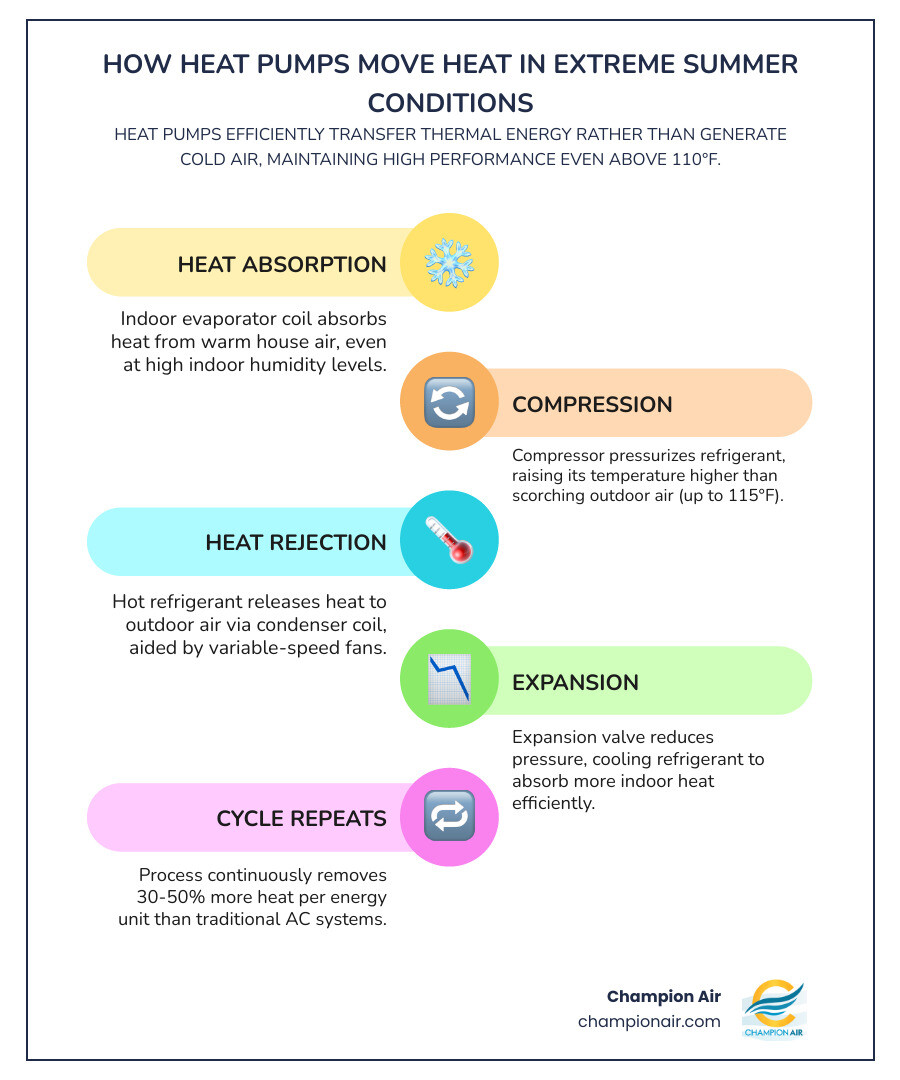
One of the biggest myths we encounter in cities like Peoria and Gilbert is that heat pumps are "weak" compared to traditional air conditioners. In reality, a heat pump is essentially an air conditioner that went to graduate school. It uses the exact same refrigeration cycle as a standard AC to cool your home, but it comes with a reversing valve that allows it to provide heat in the winter.
When it comes to cooling efficiency, the numbers are impressive. Research shows that heat pumps can be 30% to 50% more efficient at cooling your home than a traditional air conditioner. This is because they are designed to move thermal energy rather than generate it. In the summer, your heat pump acts as a heat transporter, pulling the heat out of your indoor air and dumping it outside.
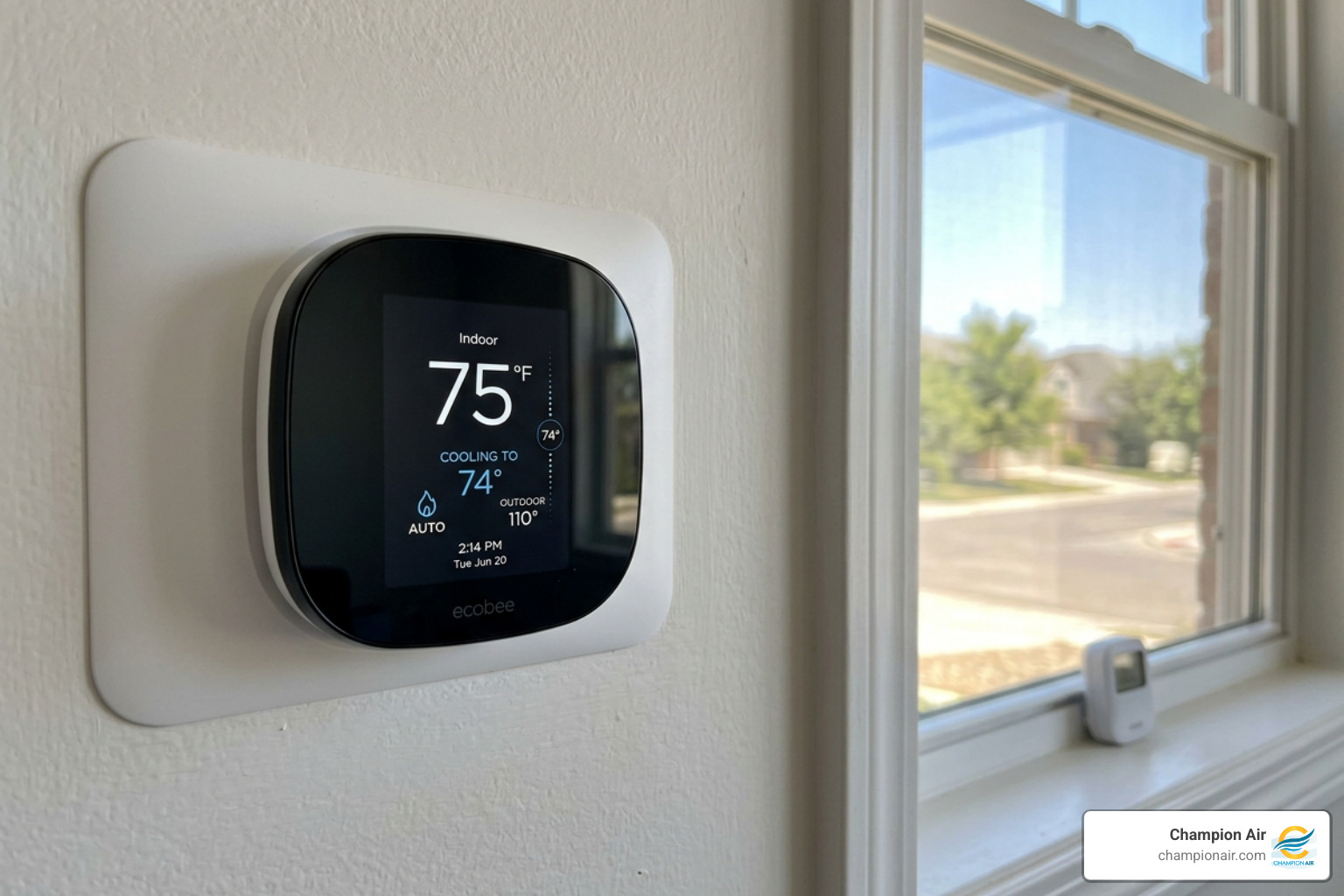
Even when the outdoor temperature hits the 115°F threshold, our Heat Pump Services ensure your system is optimized for these peaks. While older models might have struggled once the mercury climbed past 95°F, modern engineering has pushed the boundaries of what these systems can do. By utilizing advanced refrigerants and superior heat exchange coils, a heat pump can maintain a crisp 75°F indoor environment even when the Phoenix pavement is hot enough to fry an egg.
Why Modern Heat Pumps Excel in Temperatures Above 95°F
The secret sauce behind why are heat pumps efficient in extreme heat lies in variable-speed compressors and inverter technology. Traditional AC units are often "all or nothing"—they're either 100% on or 100% off. This leads to those annoying temperature swings and high energy spikes every time the motor kicks in.
Modern heat pumps, however, can adjust their output in tiny increments. If your home only needs 35% cooling capacity to maintain your setpoint, a variable-speed unit will run at exactly 35%. This results in:
- Consistent indoor temperatures: No more "hot spots" in the house.
- Lower energy bills: By avoiding the "start-stop" cycle, you save significant power.
- Reduced wear and tear: Operating at lower speeds for longer periods is much easier on the hardware than constant full-blast cycles.
For more on how these systems maximize every watt of power, check out our guide on HVAC Efficiency.
Comparing Heat Pump Performance to Traditional Air Conditioners
When deciding on a new system for your home in Buckeye or Surprise, it helps to see the head-to-head comparison.
| Feature | Traditional Air Conditioner | Modern Heat Pump |
|---|---|---|
| Cooling Method | Refrigerant cycle (One-way) | Refrigerant cycle (Two-way) |
| Efficiency (SEER2) | Typically 13–21 | Typically 14–22+ |
| Energy Usage | Standard | 30-40% less than standard AC |
| Extreme Heat Performance | May struggle to meet setpoint | High capacity retention up to 115°F |
| Heating Capability | Requires separate furnace | Built-in high-efficiency heating |
The Everything to Know About SEER Ratings explains that the higher the number, the more cooling you get for your dollar. Heat pumps frequently achieve higher SEER ratings than their AC counterparts. When we talk about Choosing Air Conditioners vs. Heat Pumps, we often point out that the heat pump is the "all-in-one" champion for our Arizona climate.
Maintaining Efficiency During Prolonged Phoenix Heat Waves
During a two-week stretch of 110°F+ days in Tempe or Glendale, your HVAC system's "heat sink" capability is tested. The heat pump must effectively dump the heat it collected from your living room into the already-scorching outdoor air.
Modern systems use advanced refrigerants like R-32, which offers superior heat transfer properties compared to older chemicals. This allows the system to remain efficient even when the temperature delta (the difference between inside and outside) is massive. Because of this, Heat Pumps Perfect for Arizona are becoming the standard for new installations across the Valley.
Maximizing Your System’s Cooling Power in Scottsdale and Mesa
Efficiency isn't just about the machine; it's about how that machine interacts with your home. To ensure your heat pump stays in peak condition when the sun is relentless, maintenance is non-negotiable.
Airflow management is the most critical factor. If your outdoor unit is choked with desert dust or hidden behind overgrown bougainvillea, it can't breathe. When it can't breathe, it can't shed heat. We recommend:
- Filter Replacement: Change your filters every 1–3 months. In dusty areas like Queen Creek or Apache Junction, monthly changes are safer.
- Debris Clearance: Keep a two-foot "no-fly zone" around your outdoor unit.
- Professional Tune-ups: Our Beat the Heat: Comprehensive Heat Pump Maintenance for Phoenix Homes program ensures your refrigerant levels are perfect and your coils are scrubbed clean.
The Importance of Proper Sizing and Installation
A heat pump is only as good as its installation. In the HVAC world, bigger isn't always better. If a unit is oversized, it will "short cycle," turning on and off so fast that it never has a chance to dehumidify your air. If it's undersized, it will run forever and never reach your target temperature.
We use a "Manual J" calculation to determine the exact cooling load of your home, accounting for your square footage, window types, and insulation levels. This precision is a core part of Everything You Need to Know About Residential Heat Pump Installation.
Furthermore, a heat pump's efficiency is "boosted" by a tight home envelope. Air sealing and proper attic insulation can reduce your cooling load by up to 30%, making it much easier for your heat pump to do its job. To understand the long-term value of these systems, see How Long Do Heat Pumps Last?.
Strategies for Peak Performance During 115°F+ Days
When the forecast calls for "excessive heat warnings" in Avondale or Goodyear, you can use a few pro strategies to help your heat pump win the battle.
- Pre-cooling: Lower your thermostat by 2–3 degrees early in the morning (around 6 AM). This creates "cold mass storage" in your walls and furniture, acting as a thermal battery that helps your home stay cool when the afternoon sun hits.
- The "Set It and Forget It" Rule: Unlike older systems, modern heat pumps are most efficient when they maintain a steady temperature. Constant adjustments actually force the system to work harder.
Manage Solar Gain: Keep your blinds and curtains closed, especially on west-facing windows. This can reduce the heat entering your home by up to 60%.
Dehumidification and "Dry Mode": While Arizona is known for "dry heat," our monsoon season can bring surprising humidity. Many heat pumps feature a "Dry Mode" that focuses on removing moisture from the air without over-cooling the room, providing superior comfort compared to standard ACs.
Frequently Asked Questions about Heat Pump Efficiency
Do heat pumps lose efficiency when it’s over 110°F?
While all cooling systems see a slight dip in efficiency as temperatures climb to extremes, modern heat pumps are remarkably resilient. Premium models are designed to maintain about 90% of their cooling capacity even at 110°F. Because they use variable-speed technology, they can often outperform traditional units that might "trip" or shut down due to compressor strain under the same conditions.
Can a heat pump dehumidify better than a standard AC?
Yes. Because variable-speed heat pumps run for longer, lower-intensity cycles, they pass more air over the cooling coils over time. This allows for significantly more moisture removal. This is a game-changer for Arizona homeowners during the humid July and August monsoon months, leading to better indoor air quality and a "crisper" feel to the air.
Should I leave my heat pump on all day during a heatwave?
Absolutely. It is a common misconception that turning the system off while you're at work saves money. In extreme heat, your home's structure (studs, drywall, furniture) soaks up heat. If you turn the system off, the heat pump has to work at maximum capacity for hours just to overcome that "thermal load." Keeping it at a steady, strategic temperature prevents energy spikes and maintains thermal stability.
Conclusion
So, are heat pumps efficient in extreme heat? The evidence is clear: for homeowners in Scottsdale, Phoenix, and Mesa, a modern heat pump is one of the smartest investments you can make for year-round comfort. They offer the power to conquer 115°F afternoons while providing the most efficient heating available for those chilly desert nights.
At Champion Air, we specialize in navigating the unique challenges of the Arizona climate. Whether you're in Anthem, Chandler, or Surprise, our team of experts is ready to help you transition to a high-efficiency system that saves you money and keeps your family cool. We offer 24/7 emergency repairs and same-day service to ensure you're never left sweating.
Ready to experience the next level of desert comfort? Schedule your professional heat pump installation with Champion Air today!
About the Author
Champion Air
More Articles
View All PostsKeep Reading
Related Articles


Ready to Get Started?
Whether you need a repair, maintenance, or a new installation, our expert team is here to help.